
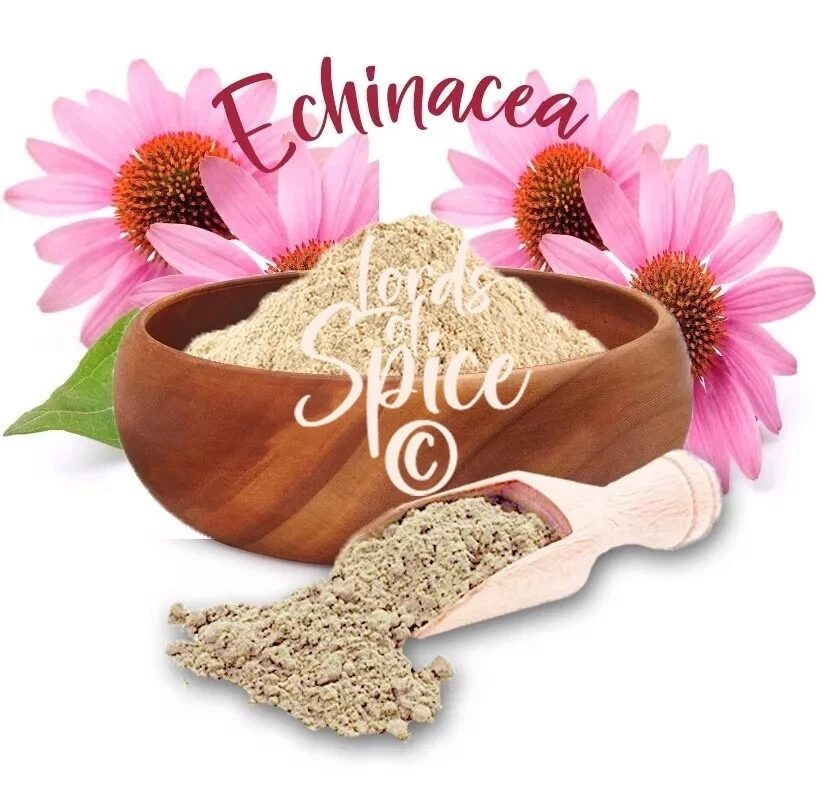
Echinacea Tea - Echinacea Powder - Echinacea Concentrate - Echinacea Herb - USA
$ 3.05
Description
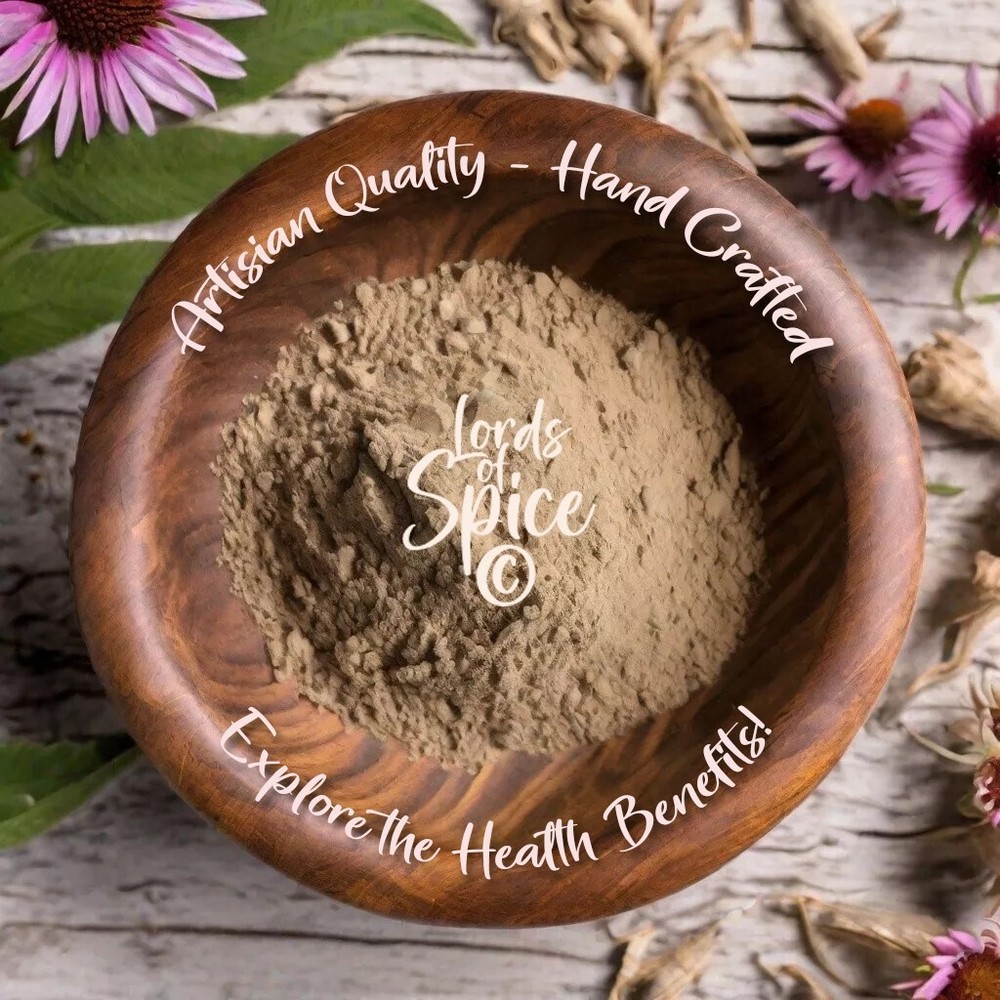
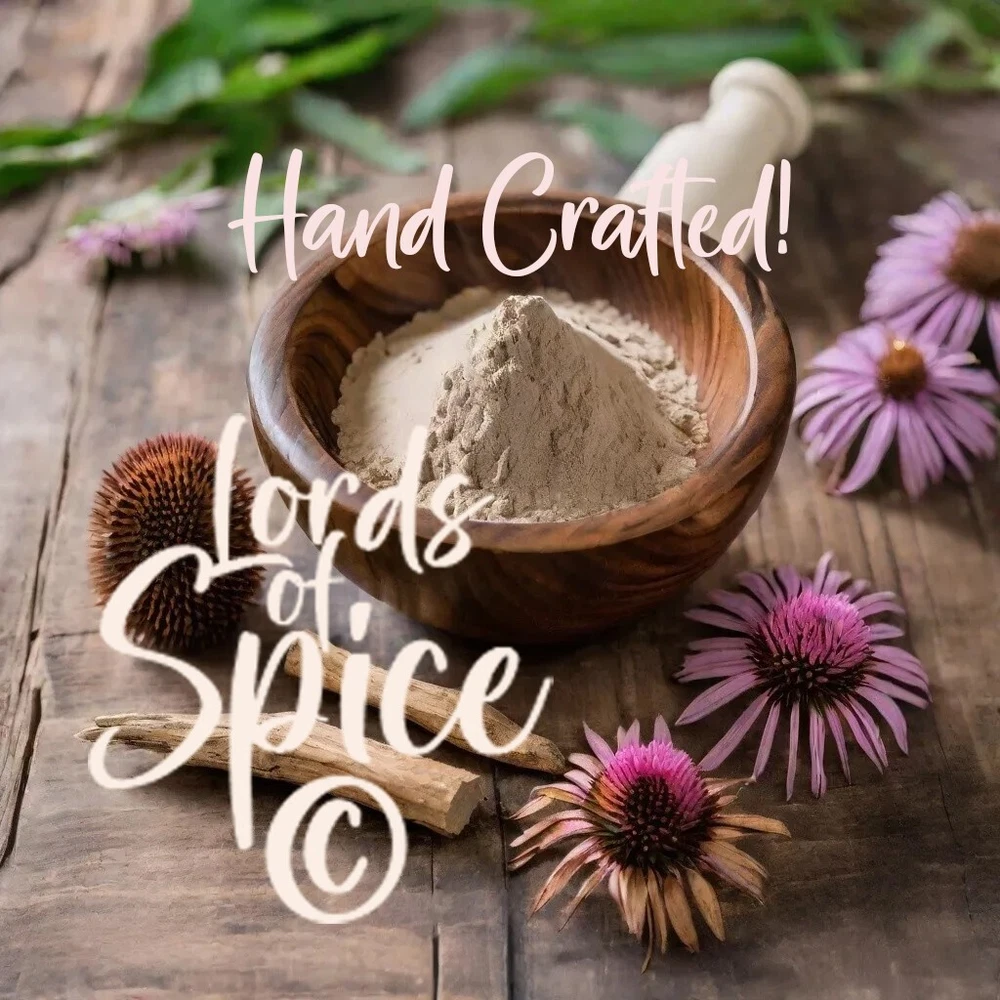
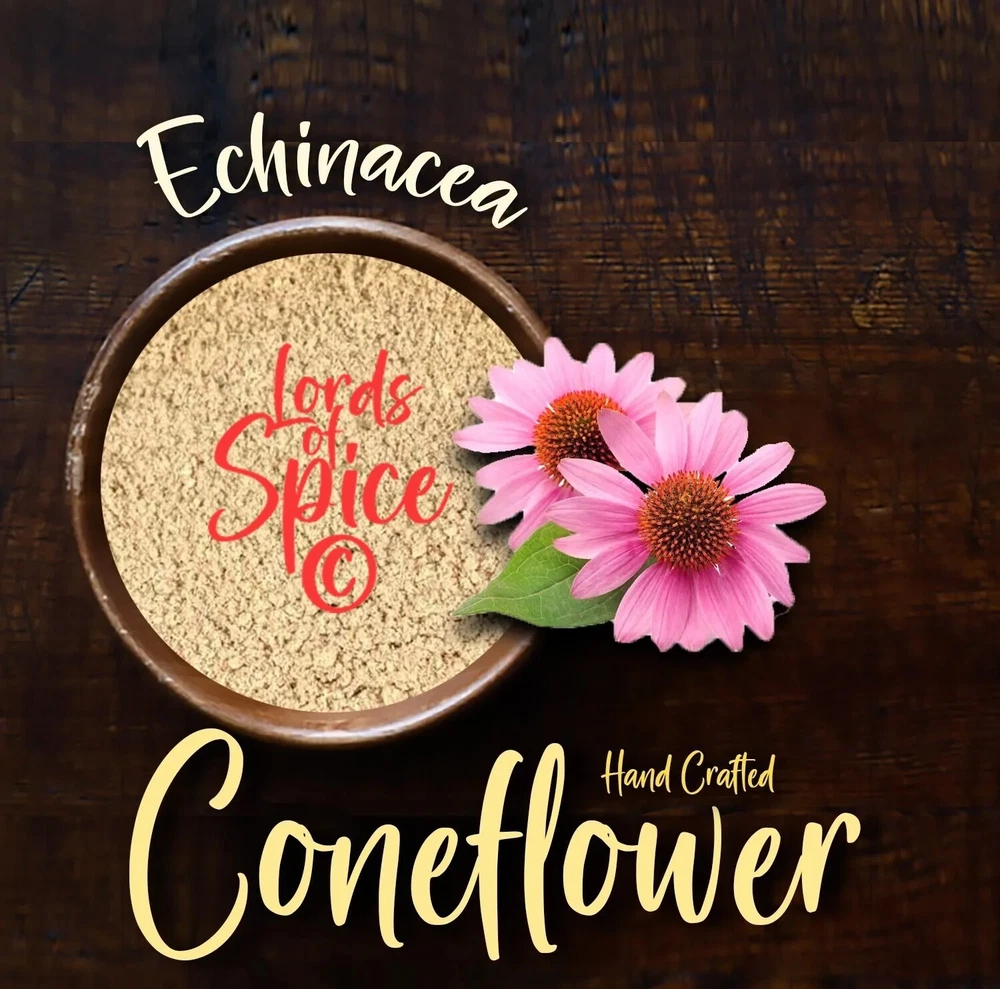
Wonderful Echinacea Tea - Echinacea Herb Powder - Echinacea Concentrate - Echinacea Herb - Made in the USA with Free Shipping. Echinacea, commonly known as purple coneflower, is a genus of herbaceous flowering plants in the daisy family, Asteraceae. Native to North America, Echinacea species are popular both as ornamental plants and for their traditional medicinal uses. Here’s a detailed look at Echinacea: Species - Echinacea purpurea (Purple Coneflower) Traditional Uses (Education Use Only) Echinacea has been used by Native American tribes for centuries for its purported medicinal properties. Traditionally, it has been used to: - Treat wounds and infections - Alleviate pain - Act as a remedy for snake bites - Soothe coughs and sore throats Modern Medicinal Uses Echinacea is widely marketed as an over-the-counter herbal remedy, especially for: - **Immune system support:** It's believed to boost the immune system, helping to prevent colds and flu. - **Reducing symptoms of illnesses:** Some studies suggest it may help reduce the severity and duration of colds. Preparation and Dosage Echinacea powder and can be used in various forms: - **Teas** - **Tinctures** - **Capsules and tablets** - **Topical creams and ointments** The recommended dosage varies based on the form of Echinacea and the specific product. It's essential to follow your healthcare providers instructions or consult with a healthcare provider for proper use. Potential Side Effects and Precautions Echinacea is generally considered safe for short-term use, but potential side effects can include: - Allergic reactions, particularly in individuals allergic to plants in the daisy family - Gastrointestinal upset - Rash It’s advised to avoid Echinacea if you have autoimmune disorders or if you are taking immunosuppressive medications. Conclusion Echinacea remains a popular herbal remedy and ornamental plant. While it has a long history of traditional use and some scientific studies supporting its benefits, it's essential to approach its use thoughtfully and consult healthcare providers when considering it for medicinal purposes.