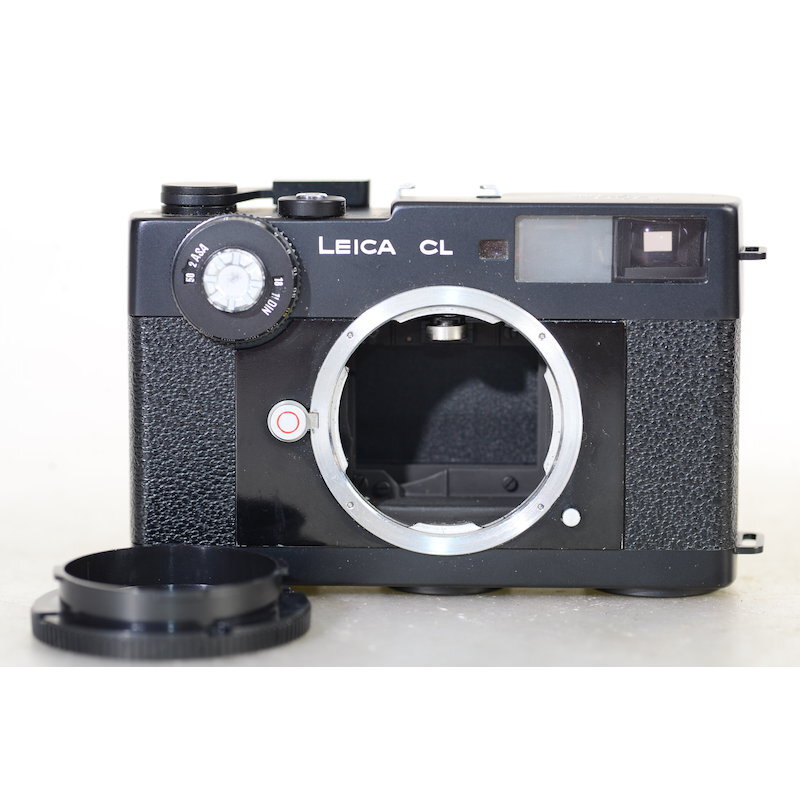
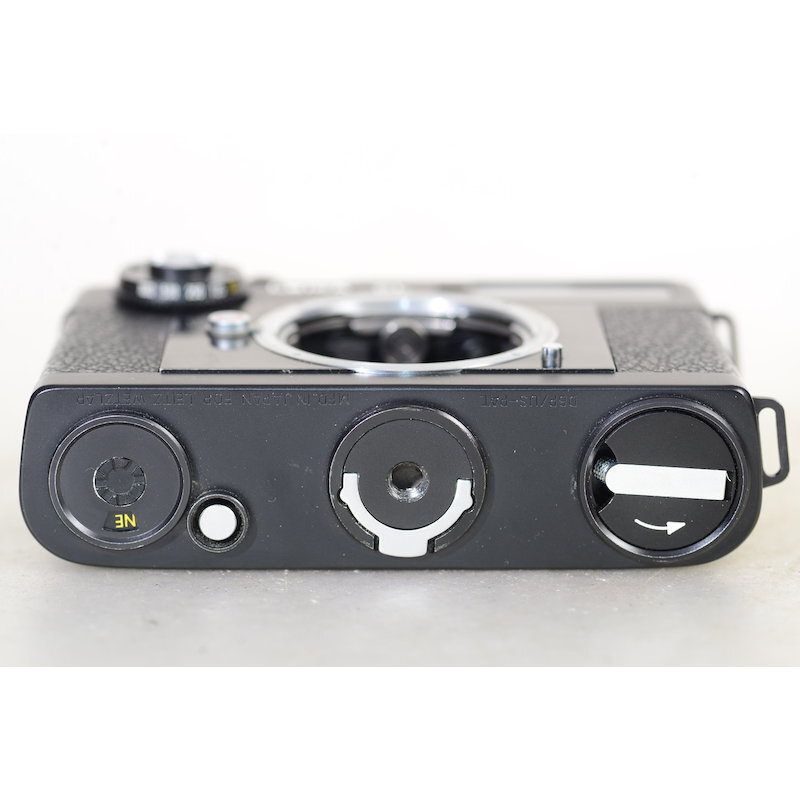
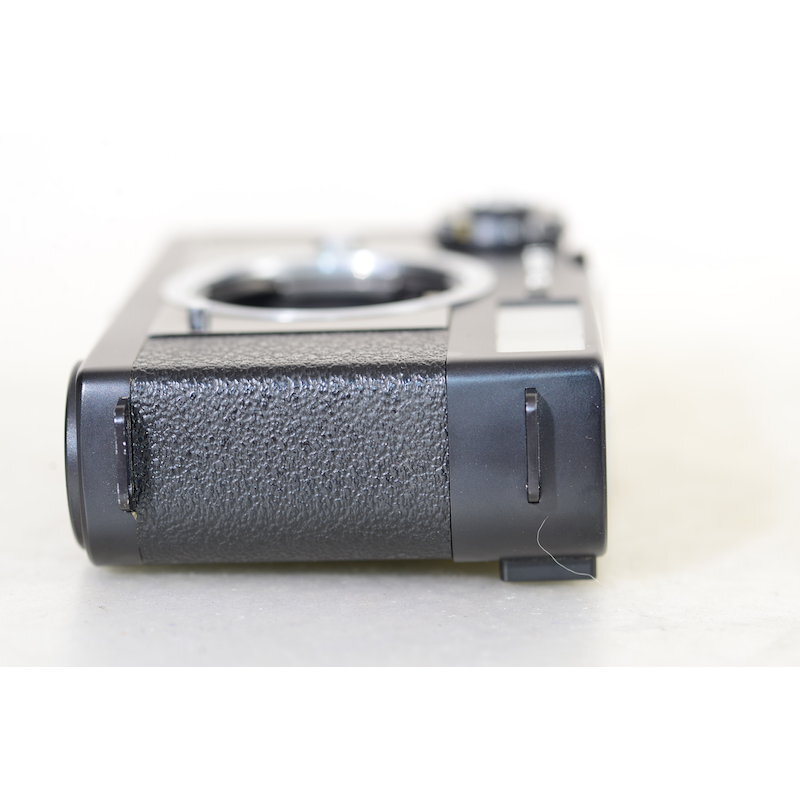
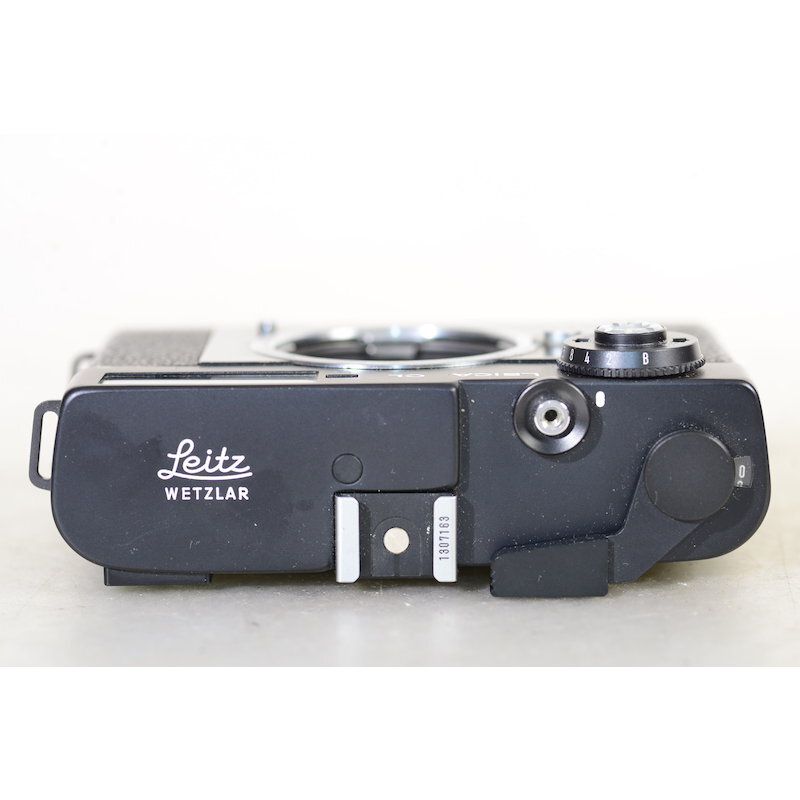
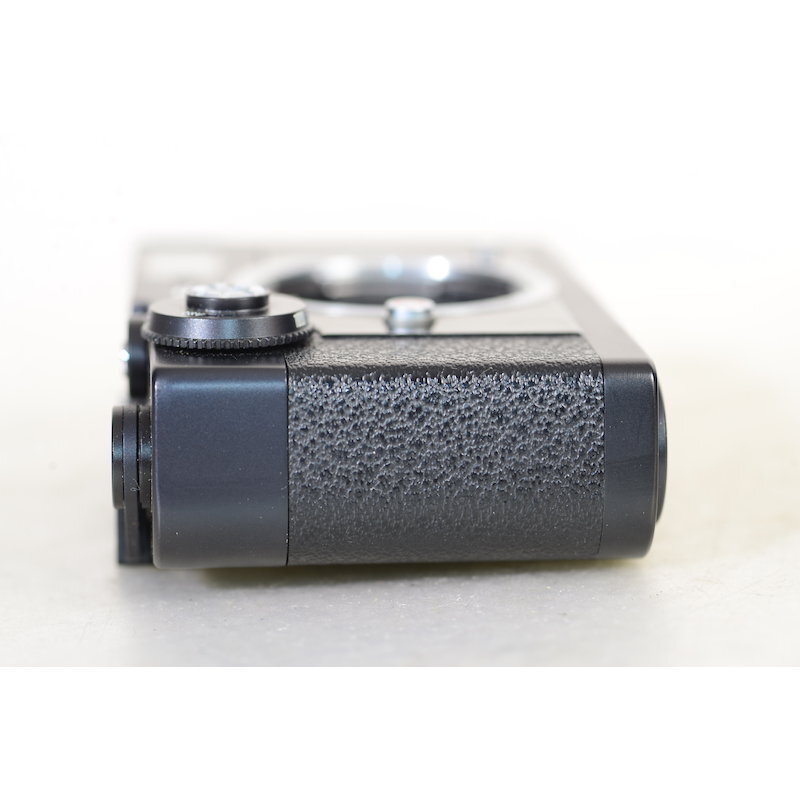
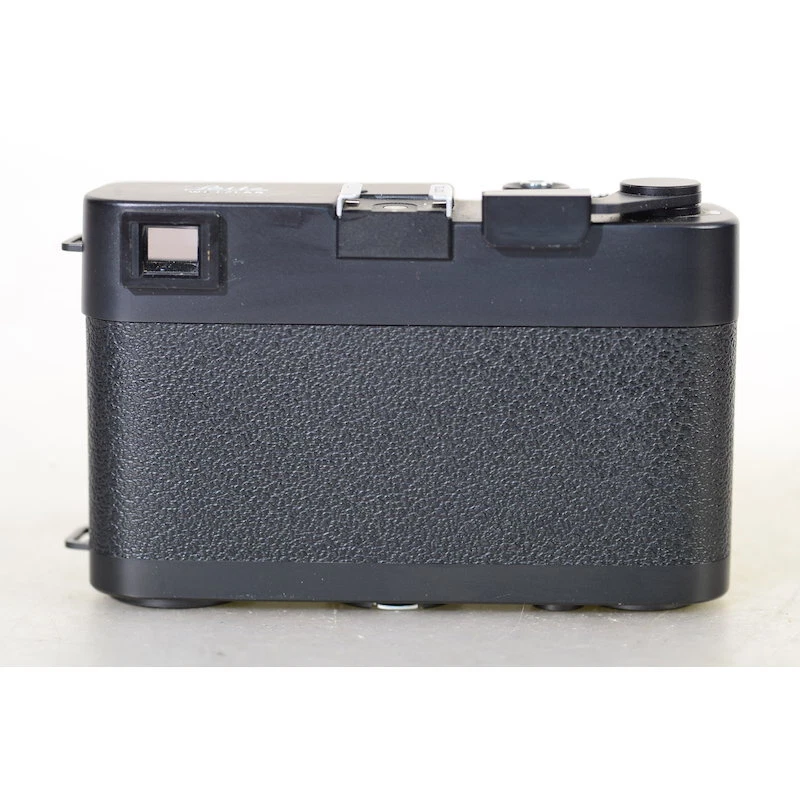
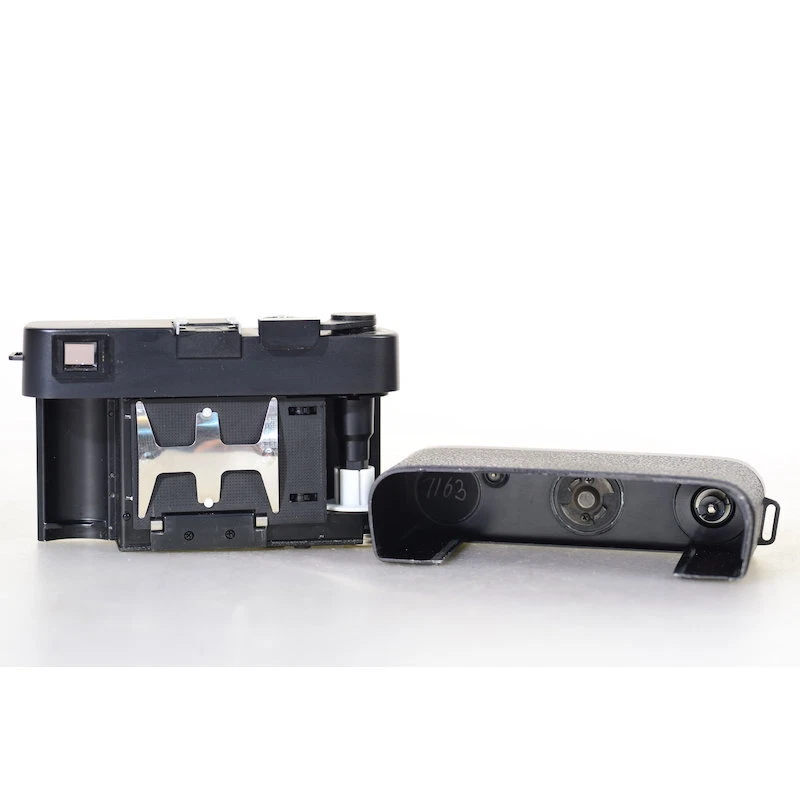
Leica CL Compact Camera with Leitz Body and Collector Case
$ 319.29
Description
Send me a message ebay shop Seller profile Reviews Save shop contact Item description: The Leica CL was introduced in 1973. In keeping with the trend of the time, it was intended as a “compact Leica” ( = CL ), which was deliberately differentiated from the M system, although it also has the M bayonet and most M systems. Lenses can be used. The principle was consistently followed: price differentiation through product differentiation. This marketing strategy did not work; it deprived buyers of the Leica M5 to a greater extent than expected. For cost reasons, the CL for Leitz was manufactured by Minolta in Japan. It was also sold in Japan as the “Leitz-Minolta CL”. There are 65,000 examples of the Leica CL (excluding Minolta licensed replicas) exclusively in black chrome, and an estimated further 20,000 of the Minolta version. Despite the high sales figures (more than twice as many M models were sold in the same period), Leica spoke of a financial failure, probably for two reasons: on the one hand, the profit margins were too low due to contract manufacturing by Minolta, and on the other hand, the inexpensive CL kept sales figures low of the M models collapsed, which is why production was stopped after just three years. After production of the Leica CL ended, Minolta sold a further developed camera called Minolta CLE, also with an M bayonet. The housing is an independent construction with a vertical locking process. The automatic flash synchronization took place via the center contact of the accessory clamp; the shortest time for this was 1/60 sec. The new rangefinder had a significantly smaller measuring base than that of the current M models, but its accuracy was higher than that of the screw-on Leicas due to the “cutting edge”. The viewfinder automatically reflected the image field limitation for 40, 50 and 90 mm lenses. There was automatic parallax compensation. The quite thin outer shell was made of sheet metal and was relatively easy to dent; a small dent would occur if it was hit. However, the adjustment of the bayonet to the film plane did not suffer because this was done from behind by the solid camera core. Two special lenses were introduced for the CL that were optimized for the new rangefinder: the Summicron 1:2/40 mm and the Elmar-C 1:4/90 mm. As with the M5, the selective exposure measurement through the lens was carried out with a CdS cell swiveled in on an arm. This cell swiveled out of the image field before it was released and was swung back in again with the film elevator. The design was simpler than the Leica M5, had no device to specifically take measurements with different focal lengths into account, and was not swiveled back when the lens was set down. The rangefinder coupling did not correspond to the M design in detail. The use of CL lenses on an M was restricted and described by Leitz as inaccurate in this case. The filter threads of the CL lenses also had a diameter of E39, but a pitch of 0.75 instead of 0.5. Series 5.5 filters should be used. Condition: A The condition information refers to the cosmetic condition of the item and is marked from AA (like - ), to A+ (like new), A (slightly used), B (normally used), C (very heavily used) to D (extreme signs of wear). . Unless there is a "DEF" (defect) or "LIN" (lens damage) behind the condition statement, all goods are in technically perfect condition and have been checked by me as far as possible. Defects or damage will also be mentioned separately in the description if they are known. Tax class: 3 All prices include statutory sales tax, but due to different types of taxation, this cannot always be shown separately on the invoice. For tax class 1, the sales tax is shown separately on the invoice, for tax class 2, the reduced sales tax and for tax class 3, sales tax cannot be shown because the goods are subject to differential taxation, in accordance with Section 25a USTG. acts. Scope of delivery: As shown in the original picture(s) in the offer. Additional accessories that are not shown will not and cannot be included as they are not available. The quite thin outer shell was made of sheet metal and was relatively easy to dent; a small dent would occur if it was hit. However, the adjustment of the bayonet to the film plane did not suffer because this was done from behind by the solid camera core. Two special lenses were introduced for the CL that were optimized for the new rangefinder: the Summicron 1:2/40 mm and the Elmar-C 1:4/90 mm. As with the M5, the selective exposure measurement through the lens was carried out with a CdS cell swiveled in on an arm. This cell swiveled out of the image field before it was released and was swung back in again with the film elevator. The design was simpler than the Leica M5, had no device to specifically take measurements with different focal lengths into account, and was not swiveled back wh