

VitaminB5.com - EXCLUSIVE 18 Year Old Premium Domain for quick auction
$ 29040.0
Description
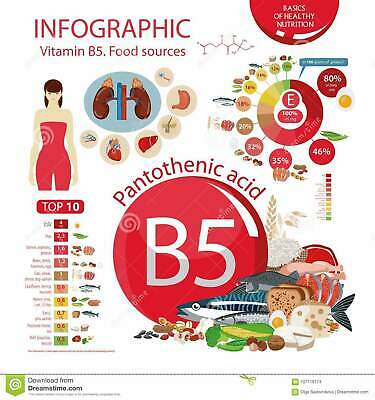
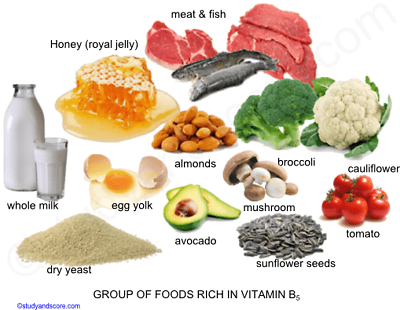
Highly Searched keyword: vitamin b5 receives over 74,000 searches per month on Google® Similar Domain Sales : Domain Price Date Venue vitaminc.com 104,000 USD 2014-05-16 Sedo multivitamins.com 45,000 USD 2009-11-27 T.R.A.F.F.I.C. vitamincenter.com 35,000 USD 2011-12-30 Sedo vitamins.com.au 20,000 USD 2011-01-25 NetFleet lowcostvitamins.com 17,500 USD 2013-06-12 Sedo vitaminbox.com 14,500 USD 2014-02-23 Afternic vitamines.com 10,418 USD 2018-07-11 Sedo evitamin.com 7,600 USD 2007-12-02 Sedo buyvitamins.com 6,500 USD 2012-08-10 Sedo vitaminad.com 6,437 USD 2010-08-18 Sedo vitamins-supplements.org 6,400 USD 2019-04-26 GoDaddy vitaminshop.ca 6,000 USD 2011-10-12 Private megavitamin.com 6,000 USD 2005-08-05 Afternic vitamin.com.au 5,983 USD 2014-01-29 NetFleet vitaminwarehouse.com 5,900 USD 2013-07-22 GoDaddy hairvitamins.com 5,600 USD 2010-12-07 Sedo vitamins.co 4,915 USD 2010-10-13 Private vitaminenergy.com 4,900 USD 2017-03-29 Sedo vitamincfoundation.com 4,799 USD 2018-04-26 Sedo vitaminoutlet.com 4,500 USD 2015-03-05 Flippa vitaminco.com 3,500 USD 2015-06-09 BuyDomains cheapvitamins.co.uk 3,420 USD 2008-08-19 Sedo smartvitamins.com 3,055 USD 2019-06-18 GoDaddy vitalvitamins.com 3,050 USD 2009-02-10 Afternic wellnessvitamins.com 3,000 USD 2013-05-06 Afternic Search Overview SERP TERM 710,000 SERP SLD 23,500 Traffic Rank Alexa® Traffic Rank - Google® Page Rank 1 SEARCH VOLUME Recent Searches Cached Searches Recent & Cached Searches Broad Searches Keyword vitamin b5 Monthly Searches 74,000 Cost per Click $1.50 Vitamin B5 is a water-soluble vitamin from the B group of vitamins. It helps produce energy by breaking down fats and carbohydrates. It promotes healthy skin, hair, eyes, and liver. People need B5 to synthesize and metabolize fats, proteins, and coenzyme A. B5 is one of the less known vitamins , possibly because deficiencies of it are rare. Vitamin B5 is also known as pantothenic acid, or Pantothenate. The word pantothenic comes from the Greek "pantou," meaning everywhere. Nearly all foods contain small quantities of pantothenic acid. Why do we need vitamin B5? Share on Pinterest Vitamin B5 is also known as pantothenic acid and can be found in most foods. Vitamin B5 has many important functions. These include: converting food into glucose synthesizing cholesterol forming sex and stress-related hormones forming red blood cells As with all B vitamins, pantothenic acid helps the body break down fats, carbohydrates , and proteins so that our bodies can use them for energy and rebuilding tissues, muscles, and organs. Coenzyme A Vitamin B5 has a role in synthesizing coenzyme A. Coenzyme A is involved in the synthesis of fatty acids and is important for converting foods into fatty acids and cholesterol. Coenzyme A is also needed for the creation of sphingosine, a fat-like molecule that helps deliver chemical messages inside the body's cells. The liver needs Coenzyme A to metabolize some drugs and toxins safely. Digestive system Vitamin B5 helps maintain a healthy digestive system and assists the body in using other vitamins, especially vitamin B2. Vitamin B2 helps manage stress , but there is no evidence that pantothenic acid reduces stress. Share on Pinterest Vitamin B5 has been shown to reduce the spread of acne as well as providing benefit to many other areas of the body. Skin care Some studies have shown that vitamin B5 works as a moisturizer on the skin and enhances the healing process of skin wounds. One study showed that vitamin B5 helped facial acne and reduced the number of acne-related facial blemishes when taken as a dietary supplement. Researchers noted a "significant mean reduction in total lesion count" after 12 weeks of taking a B5 dietary supplement. The authors call for more trials Trusted Source to confirm the results. Cholesterol and triglycerides Some studies suggest that vitamin B5 intake can help lower cholesterol and levels of blood triglycerides, or fats. This course of management should only be pursued under medical supervision. Rheumatoid arthritis Some researchers have found that people with rheumatoid arthritis have lower levels of vitamin B5. However, more evidence is needed to confirm these results. Deficiency Vitamin B5 deficiency is extremely rare in people as pantothenic acid is found in nearly all foods. A healthy and varied diet should provide a person with enough. Clinical trials have shown, however, that a deficiency may lead to: tiredness apathy depression irritability sleep disorders stomach pains nausea vomiting numbness muscle cramps hypoglycemia burning feet upper respiratory infections A deficiency of B5 can cause an increased sensitivity to insulin . In mice, a vitamin B5 deficiency led to skin irritation and graying of the fur, but this was reversed when pantothenic acid was given. However, according to Oregon State University, " In humans, there is no evidence that taking pantothenic acid as supplements or using shampoos containing pantothenic acid can prevent or restore hair color." Jane Higdon, Ph.D., Linus Pauling Institute, Oregon State University When the level of B5 intake is restored to normal, many of these symptoms are reversed. Recommended daily intake Share on Pinterest Avocadoes are a great source of vitamin B5. Experts recommend daily intakes of vitamin B5 recommend : Infants 0-6 months - 1.7 milligrams (mg) per day Infants 7-12 months - 1.8 mg per day Children 1 -3 years - 2 mg per day Children 4-8 years - 3 mg per day Children 9-13 years - 4 mg per day Males and females 14 years and over - 5 mg per day Pregnant women - 6 mg per day Breastfeeding women - 7 mg per day Vitamin B5 is soluble in water and is excreted in urine. Our bodies do not store it, and we need to consume it every day to replenish supplies. Food sources of Vitamin B5 Vitamin B5 is widely found in both animals and plant products. Sources include: Meat: Pork, chicken, turkey duck, beef, and especially animal organs such as liver and kidney Fish: Salmon, lobster, and shellfish. Grains: Whole grain breads and cereals. Whole grains are a good source of vitamin B5 but milling can remove up to 75 percent of the B5 content. Dairy products: Egg yolk, milk, yogurt, and milk products. Legumes: Lentils, split peas, and soybeans. Vegetables: Mushrooms, avocado, broccoli, sweet potatoes, corn, cauliflower, kale , and tomatoes. Other sources of vitamin B5 include brewer's yeast, peanuts, sunflower seeds, wheat germ, royal jelly, and oatmeal Pantothenic acid is widely available in food, but it is lost in processing, for example, in canning, freezing, and milling. To ensure an adequate intake, foods should be eaten fresh rather than refined. As with all water-soluble vitamins, vitamin B5 is lost when food is boiled. Scientists have found that bacteria in the lining of the colon might generate pantothenic acid, but this has not yet been proved. Side effects and interactions Pantothenic acid is taken as a supplement for a number of conditions, but there is not enough evidence to prove that it is effective in most of these cases. Share on Pinterest Vitamin B5 can worsen the adverse of medication to treat Alzheimer's disease. For people who stay within the recommended daily dose of Vitamin B5, or slightly above, the use of a supplement is likely to be safe, but anyone who is considering taking a supplement should consult a doctor first. A very high dose, for example, of 10-20 grams (gm) a day, may cause diarrhea and increase the risk of bleeding. If vitamin B5 is taken as a supplement, it can cause an imbalance in other B vitamins. For this reason, it is preferable to take a B complex vitamin. This should be taken after eating, with water. Royal jelly contains vitamin B5 so care should be taken Trusted Source not to consume royal jelly alongside a vitamin B5 supplement. Vitamin B5 can interact with some drugs. It may interfere with the absorption and effectiveness of the antibiotic , Tetracycline. It can also increase the effect of some drugs for Alzheimer's disease , known as cholinesterase inhibitors. These drugs include donepezil (Aricept), memantine hydrochloride (Ebixa), galantamine (Reminyl) and rivastigmine (Exelon). Taking supplements with these drugs could lead to adverse effects. People who use blood-thinning drugs, such as warfarin (Coumadin) or aspirin should take care when using vitamin B5 supplements, as B5 can increase the risk of bleeding. Women should not take more than 6 mg a day when pregnant, and 7 mg when breast-feeding, as it may not be safe. It is always best to check with a doctor before taking a supplement, especially for people with an existing health condition and those who are taking other drugs. A custom domain will allow your website to have an undiluted image, which in turn will make your website far more memorable to your visitors. If you receive emails from visitors or URLs to your website are shared with a custom web address, they are entirely your own